
Visual Merchandising Guide: Creating Eye-Catching Retail Display Cases That Sell
Visual merchandising is the art and science of presenting products in a way that attracts customers, tells a story, and drives sales. It's the difference between a store that customers walk through and one they explore, remember, and return to. In display cases—where your most valuable products live—visual merchandising becomes even more critical. This comprehensive guide will teach you how to create display case presentations that captivate customers and convert browsers into buyers.
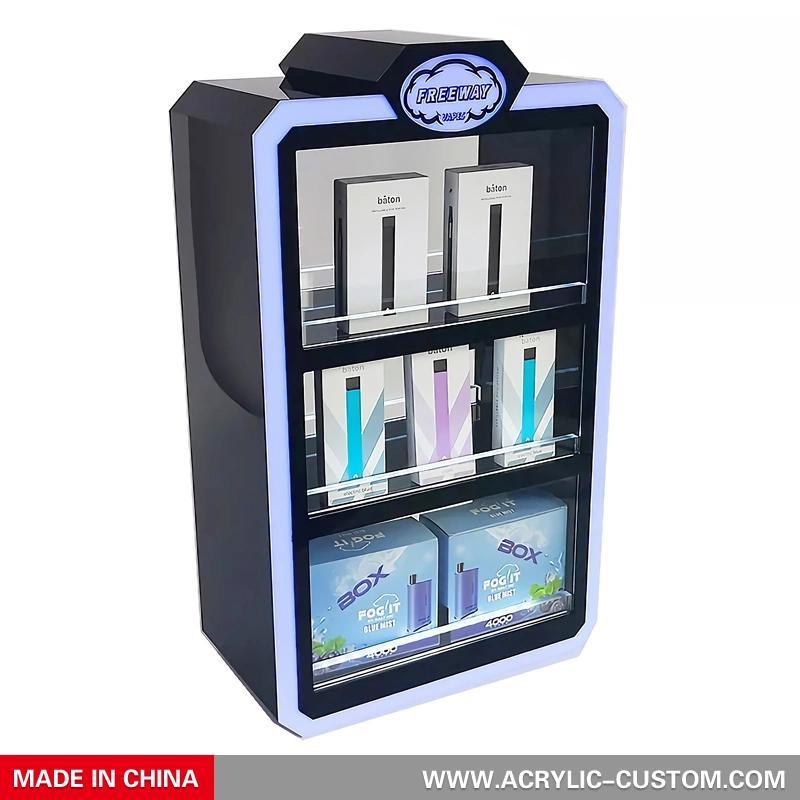
Whether you operate a smoke shop, vape store, jewelry boutique, or general retail establishment, the principles in this guide apply universally. Our 70 LED retail display showcase and glass countertop display case are designed with these visual merchandising principles in mind.
What Is Visual Merchandising and Why Does It Matter?
Visual merchandising encompasses everything a customer sees in your store—from window displays to product arrangements, from lighting to signage. In display cases specifically, it's about creating micro-environments that showcase products in their best light (literally and figuratively).
Effective visual merchandising in display cases:
- Attracts attention and draws customers to specific products
- Communicates brand identity and value positioning
- Highlights key products and promotions strategically
- Creates emotional connections that drive purchase decisions
- Increases average transaction value through strategic product grouping
- Reduces decision fatigue by organizing products logically
- Encourages impulse purchases through compelling presentation
Research consistently shows that effective visual merchandising can increase sales by 20-30%. In display cases—where your highest-margin products typically reside—this impact is even more pronounced. According to Shopify's retail research, products in well-merchandised display cases sell 2-3x faster than the same products on open shelves.
The Psychology of Visual Merchandising
Understanding how customers perceive and respond to visual stimuli is crucial for effective display case merchandising:
The 7-Second Rule
Customers form their first impression of your store within 7 seconds of entering. This impression is almost entirely visual. Your entrance area display cases must immediately communicate quality, relevance, and appeal. This is where your floor standing LED display case can make a dramatic first impression.
The Decompression Zone
The first 5-15 feet inside your entrance is called the decompression zone. Customers are adjusting to the new environment—lighting changes, temperature, sounds—and rarely notice products in this area. Don't waste prime merchandise here. Instead, use this space for impressive display cases that set the tone without expecting direct sales.
The Invariable Right
Studies show that most customers naturally turn right when entering a store. This makes the right side of your store the prime real estate for high-margin products and key display cases. Place your most important display cases in this area for maximum exposure.
Sight Lines and Visual Pathways
Customers' eyes naturally follow certain pathways:
- Left to right: In Western cultures, eyes scan from left to right
- Top to bottom: Higher items are noticed first
- Toward light: Brighter areas draw attention immediately
- Toward color: Vibrant colors stand out against neutral backgrounds
- Toward movement: Dynamic elements (like RGB lighting changes) attract attention
Design your display cases to work with these natural tendencies. Place your most important products at the top-right of your displays, use lighting to create focal points, and incorporate color strategically.
Core Principles of Effective Display Case Merchandising
1. The Rule of Three
Groupings of three are more visually appealing and memorable than other numbers. This principle appears throughout nature and design. When arranging products in display cases:
- Group items in threes or odd numbers
- Vary heights within the grouping to create visual interest
- Create triangular compositions that guide the eye
- Use the "hero, supporting, accent" structure—one main product with two complementary items
2. Hierarchy and Focal Points
Every display case should have a clear focal point—the item you want customers to notice first. Create hierarchy through:
- Size: Larger items naturally draw attention
- Color: Bright or contrasting colors stand out
- Placement: Center or slightly above eye level within the case
- Lighting: Spotlight your focal point with focused LED illumination
- Isolation: Space around an item draws the eye
- Elevation: Raised items command more attention
3. Balance and Symmetry
Balance creates visual comfort. Two types of balance work in display cases:
- Symmetrical balance: Mirror-image arrangements feel formal and stable—good for luxury products
- Asymmetrical balance: Different elements with equal visual weight feel dynamic and interesting—good for contemporary brands
Most retail display cases benefit from asymmetrical balance—it's more engaging while still feeling harmonious.
4. Color Theory in Display Cases
Color is one of the most powerful tools in visual merchandising:
- Color wheels: Use complementary colors (opposite on the wheel) for high contrast, or analogous colors (adjacent) for harmony
- Color blocking: Group products by color for bold visual impact
- Gradient displays: Arrange products in color gradients from light to dark for a sophisticated look
- Seasonal colors: Align with seasonal color palettes (pastels for spring, warm tones for fall)
- Brand colors: Incorporate your brand colors for consistency and recognition
With RGB lighting in display cases like our 48 RGB wrap counter display case, you can change the color scheme instantly to match any strategy.
5. Negative Space
Empty space is not wasted space. Negative space in display cases:
- Gives products room to breathe and be appreciated
- Creates a premium, uncluttered feel
- Directs attention to featured items
- Makes displays easier to process visually
- Increases perceived product value
Resist the urge to fill every inch of display space. Strategic emptiness enhances what's present. Luxury brands routinely use 60-70% negative space in their displays.
Lighting as a Merchandising Tool
Lighting isn't just functional—it's a merchandising tool that can make or break your display case effectiveness:
- Spotlights: Highlight key products with focused beams
- Ambient lighting: Sets the overall mood and ensures general visibility
- Accent lighting: Creates drama and focus on specific areas
- Color temperature: Warm light (2700-3000K) for luxury, cool light (4000-5000K) for modern/tech products
- RGB lighting: Creates atmosphere and can be changed for different effects
- Layered lighting: Combine multiple lighting types for depth and interest
Our 70 LED retail display showcase features multi-zone RGB lighting that allows you to create different lighting effects within the same case.
Product Grouping Strategies for Display Cases
By Category
The most straightforward approach—group similar products together. This helps customers find what they need and compare options. Works well for stores with deep assortments in specific categories.
By Lifestyle
Group products that appeal to a specific lifestyle or customer persona. A "weekend adventurer" display might include outdoor gear, casual clothing, and travel accessories. This approach tells a story and encourages cross-category purchases.
By Color
Color blocking creates stunning visual impact. Arrange products in color gradients or bold color blocks. This approach works especially well for fashion, accessories, and any products where color is a key attribute.
By Price Point
Group products by price to help customers self-select into their comfort zone. Place premium products in the most prominent locations, with value options accessible but less featured.
By Occasion
Group products by the occasion they serve—gifts, home entertaining, travel, etc. This helps customers shopping for specific needs and encourages complementary purchases.
By Brand
For stores carrying multiple brands, grouping by brand can help customers who have brand loyalty. It also allows you to create brand-specific vignettes that tell each brand's story.
Creating Effective Display Case Vignettes
A vignette tells a story by showing products in a contextual setting. Instead of just displaying a watch, create a scene with the watch, sunglasses, a wallet, and travel accessories—suggesting a lifestyle. Vignettes help customers envision how products fit into their lives.
Elements of effective vignettes:
- Theme: Clear concept that ties products together
- Props: Supporting items that enhance the story (but don't overwhelm)
- Layering: Different heights and depths create visual interest
- Focal point: One hero product that anchors the vignette
- Lighting: Focused illumination that enhances the mood
Signage and Information in Display Cases
Signage is a critical component of visual merchandising in display cases:
Types of Signage
- Product information: Details about specific items—materials, features, benefits
- Pricing: Clear, professional price displays
- Promotional: Highlights sales and special offers
- Brand storytelling: Information about brand heritage, craftsmanship, or values
- Category labels: Helps customers navigate product types
Signage Best Practices
- Consistency: Use consistent fonts, colors, and styles throughout
- Readability: Text should be legible from appropriate distances
- Brevity: Less is more—customers won't read paragraphs
- Placement: Position at eye level and in natural sight lines
- Quality: Cheap signage undermines premium products
- Materials: Use materials that complement your display case aesthetic
Seasonal and Promotional Display Case Strategies
Regular refreshes keep your display cases feeling current and give customers reasons to return:
Seasonal Transitions
- Spring: Fresh, light colors; renewal themes; pastel accents
- Summer: Bright, energetic colors; outdoor themes; vibrant RGB settings
- Fall: Warm, rich colors; harvest themes; amber and orange tones
- Winter: Cool colors or warm holiday tones depending on brand
Promotional Displays
- Create dedicated areas within display cases for promotions
- Use distinctive signage that stands out from regular pricing
- Position promotional items in high-visibility areas
- Keep promotional areas organized—discount doesn't mean messy
- Use RGB lighting to create excitement around promotional items
Common Visual Merchandising Mistakes in Display Cases
Mistake 1: Cluttered Displays
More is not better. Overstuffed display cases look cheap and overwhelm customers. Edit ruthlessly and embrace negative space. Every product should have room to be seen and appreciated.
Mistake 2: Ignoring Maintenance
Display cases degrade quickly without maintenance. Dust, fingerprints on glass, misaligned products, and burnt-out lights all undermine your efforts. Implement daily maintenance routines—clean glass, dust shelves, check lighting, and straighten products.
Mistake 3: Static Displays
Displays that never change become invisible. Customers stop noticing them. Aim to refresh key display cases at least monthly, with minor updates weekly. Rotate products, change lighting schemes, and update vignettes regularly.
Mistake 4: Disconnected from Brand
Your display cases should reflect your brand identity. A luxury brand needs different displays than a value retailer. Ensure every visual element—from the case materials to the lighting to the signage—reinforces your brand positioning.
Mistake 5: Forgetting the Customer Perspective
Step back and view your display cases from a customer's perspective. What do they see first? Is the message clear? Can they easily understand what you're offering? Regular walkthroughs from the customer viewpoint are essential.
Mistake 6: Poor Lighting
Even the best merchandise looks bad under poor lighting. Ensure your display cases have adequate, well-positioned lighting. Use multiple light sources to eliminate shadows and create depth.
Measuring Visual Merchandising Success
Track these metrics to evaluate your display case merchandising effectiveness:
- Sales per square foot: Are display cases driving productivity?
- Conversion rate: Are more browsers becoming buyers?
- Average transaction value: Are display cases encouraging larger purchases?
- Dwell time: Are customers spending more time engaging with displays?
- Product velocity: Do products in display cases sell faster?
- Customer feedback: What are customers saying about your displays?
- Social media engagement: Are customers photographing your displays?
Implementation Strategy
Ready to transform your display case merchandising? Here's a systematic approach:
- Audit your current displays: Document what's working and what's not
- Identify your hero products: Determine which products deserve prime display real estate
- Plan your vignettes: Create themes and stories for your key displays
- Invest in quality display cases: Choose cases with good lighting and flexible configurations
- Train your team: Ensure staff understands merchandising principles and maintenance routines
- Create a refresh schedule: Plan regular updates to keep displays fresh
- Measure and iterate: Track metrics and refine your approach based on results
Taking Action
Visual merchandising is both an art and a science. Start with the fundamentals—understand your customer, create clear focal points, use color strategically, and maintain your displays diligently. Then experiment, measure results, and refine your approach.
At Master Display Cases, we design our display cases with visual merchandising principles in mind. Our cases feature optimal sight lines, premium LED lighting (including RGB options), and flexible configurations that make it easy to create stunning displays.
Explore our display case collection or contact our team for guidance on creating displays that captivate customers and drive sales.
For more insights on retail optimization, check out our guides on RGB lighting strategies and smoke shop display solutions.